
The Rise of Embedded Finance
When E-commerce and Banking Become One
In 2025, how folks buy stuff and handle cash shifted for good; the line between digital shops and financial services is fading quick - not vanishing, but blending into something slicker, sharper, right at your fingertips - Embedded Finance.
When you pick up devices or grab event passes, cash services such as borrowing, sending money, protection plans, or setting cash aside come built into the store journey. Skip heading to a banking app or walking into an office - your online shop doubles as your financial hub.
This post looks at how embedded finance turned into a worldwide shift, while changing companies and users at the same time - because it's sparking fresh ecosystems worth billions.
Understanding Embedded Finance
What Is Embedded Finance?
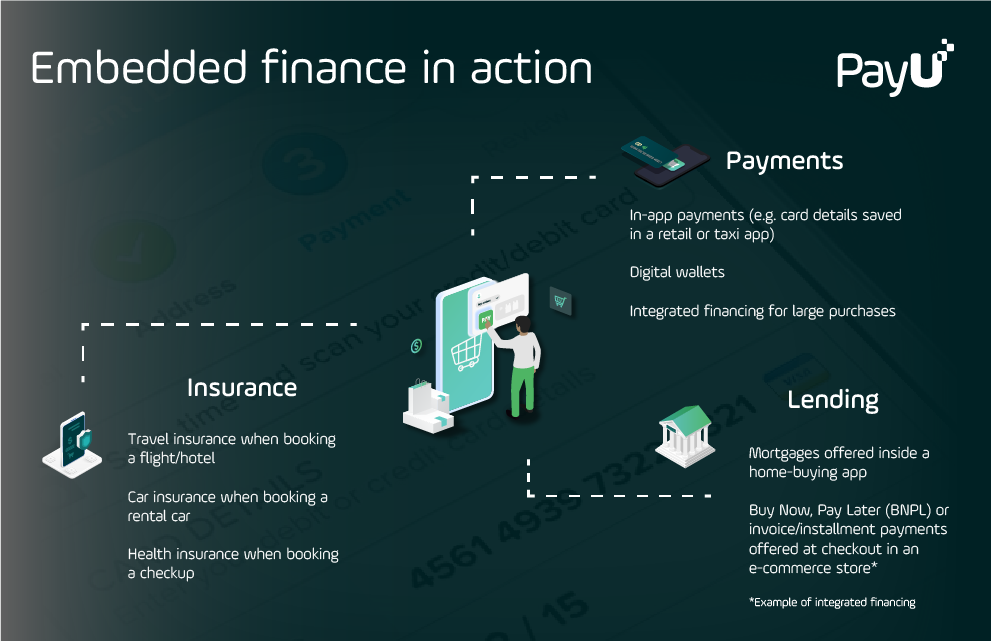
Embedded Finance slips banking features - say, payments or loans - right into regular apps or online stores, so you don't need a separate bank interface. Think of a shopping app that lets you pay instantly or borrow on the spot.
It allows folks to handle all tasks right from a single spot:
- Pay instantly using stored wallets or BNPL (Buy Now, Pay Later) options
- Grab fast cash to buy what you need
- Keep goods safe using built-in coverage
- Keep tabs on cash flow or stash without jumping between programs
Basically, buying stuff, managing money, or handling cash now blend together smoothly through digital tools.
Simple Example: You fire up your go-to shopping app, toss a laptop into your basket - then notice: "Pay ₹0 now, 3 easy payments next month", "Add theft protection for ₹99", "Get cashback to your in-app wallet". All these features actually come from banks, fintechs, or insurers operating behind the scenes - slipped straight into the store's interface. This here? This is embedded finance doing its thing.
Why 2025 Is the Breakout Year for Embedded Finance
The move to embedded finance wasn't instant. By 2025, several key factors converged to make it mainstream:
- Explosion of Digital Commerce: India hit over $120 billion in e-commerce sales by 2025. As countless small vendors moved online, smooth payment tools were suddenly a must - just to keep things running.
- Open Banking and API-Driven Infrastructure: Fintechs link up instantly with lenders, non-bank lenders, or online services using live data feeds. New companies don't have to get a banking permit - instead, they tap right into one using shared code.
- Consumer Trust in Digital Finance: UPI along with digital wallets plus quick KYC boosted trust in online payments. Nowadays folks want banking tools built right into apps they use every day.
- Shift from Ownership to Access Economy: Subscriptions or rentals along with adjustable payment options work well within embedded finance, keeping users hooked to platforms.
- Government Push and Fintech Regulation: RBI's 2024–25 rules on digital lending along with BNPL cleared up confusion, so honest firms could grow without cutting corners.
How Embedded Finance Works
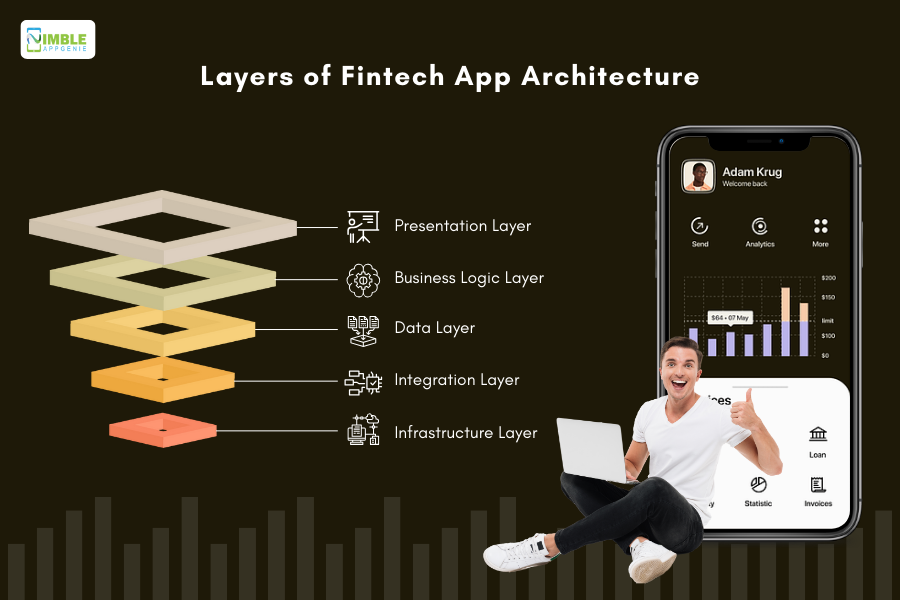
Here's how embedded finance setups work in 2025 - broken down basic:
| Layer | Function | Example |
|---|---|---|
| Front-end Platform | E-commerce app, marketplace, travel site | Amazon, Flipkart, MakeMyTrip |
| Embedded Finance Provider | API aggregators offering credit, insurance, or payments | Zwitch, Setu, Pine Labs, Stripe |
| Licensed Partner (Bank/NBFC/Insurer) | Actual regulated entity offering financial product | HDFC Bank, Axis, ICICI Lombard |
| Customer Experience Layer | Seamless checkout, instant approval, in-app wallet | Buy Now, Pay Later, In-app EMI |
Every level links up using APIs - so trades plus rules move on their own.
Types of Embedded Finance in 2025
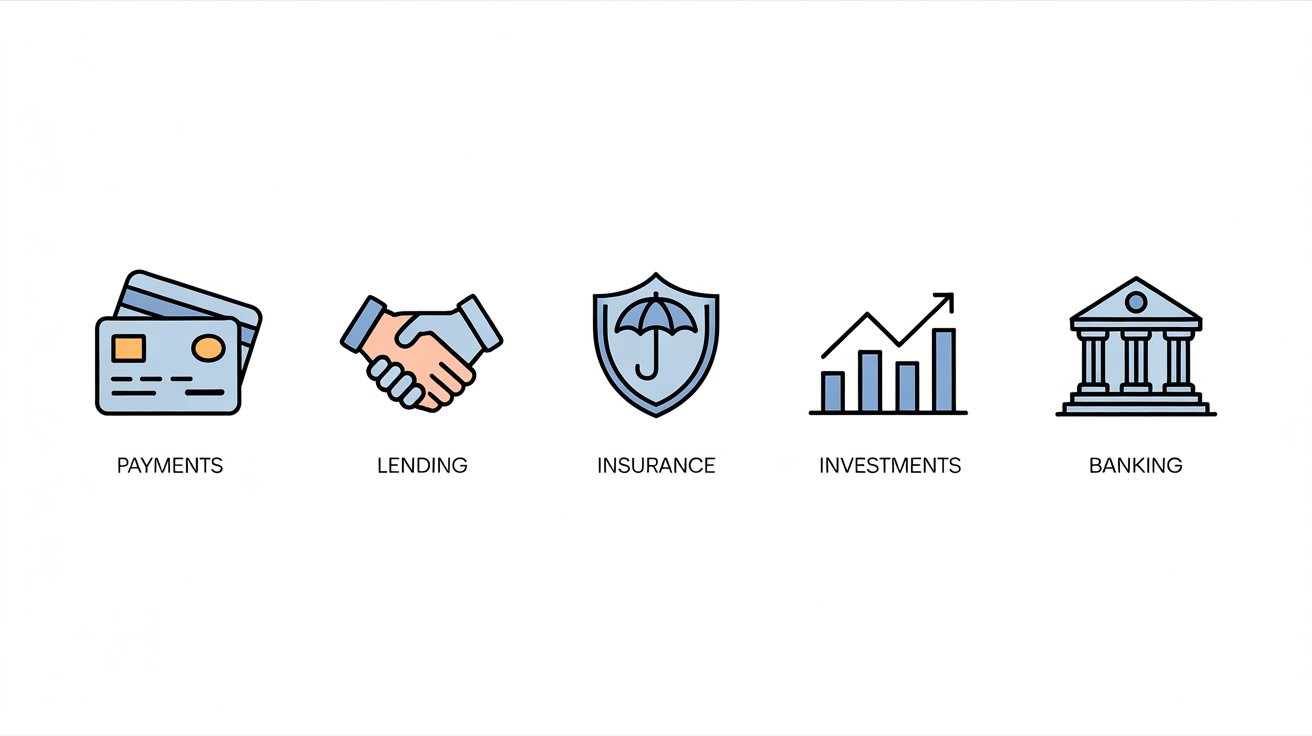
1. Embedded Payments
Quick - undetectable - or locked down. UPI Autopay, along with one-click cards or even BNPL wallets, turns checkout into something smooth. Apple Pay, along with Google Pay or India's PhonePe, takes care of payments right inside the app. In 2025, using voice commands to pay via AI helpers also caught on.
2. Embedded Lending
Users see their credit result right away through the app. Buys under ₹20k? Pay later in chunks - starting ₹500 up. Micro-loans at checkout with instant KYC. Seller financing for small merchants on Amazon or Flipkart. Amazon Pay Later or Lazypay rely on smart algorithms - so they can greenlight users almost instantly.
3. Embedded Insurance
These days, insurance just lurks under a "shield me" option. Phone shoppers toss in screen coverage. Wanderers grab coverage for late takeoffs. Folks who order meals online now have insurance that protects delivery drivers. It slides right into place, so folks who've never grabbed coverage before might finally take the leap.
4. Embedded Investments
Fintech APIs let folks put money to work while staying right inside their shopping or social apps. Cashback converted into SIPs. Loyalty perks put into shared investment pools. Payment apps now come with built-in trading features. Paytm with Groww-like setups lets tiny investments happen easy.
5. Embedded Banking
E-commerce apps these days come packed with tiny banking features too. Mobile-based wallets or digital accounts. Sets aside cash automatically after every buy. Bank accounts for small sellers on online marketplaces. Most platforms could act like small banks by teaming up with licensed firms.
Benefits for E-commerce Platforms
Higher Conversion Rates
When people have flexible payment options, they tend to spend more. Buy now pay later choices boosted typical spending by roughly a fifth to almost a third on big sites during 2024 and 2025.
Customer Loyalty & Engagement
Linked money tools keep people coming back - using one app for tracking expenses or growing savings holds their attention longer.
New Revenue Streams
E-commerce sites get a cut from banks or insurers each time a financial product moves through their network.
Data-Driven Personalization
Financial habits give clues to shape advice differently. Suggest EMI on big-ticket items. Give loyal customers cash rewards. Suggest safeguards for groups facing serious threats.
Ecosystem Control
Now platforms handle everything users do - from looking around to getting funds to paying - instead of banks being in charge.
Benefits for Consumers
Funny thing - shopping right into checkout without hopping between apps.
- Flexible Credit: Get small loans fast, no paperwork needed - just quick approval whenever you're short.
- Money access: People who don't use regular banks can still get involved - whether through mobile apps or local agents - so no one's left out if they're not plugged into old systems.
- Clear view: See costs instantly, pay back fast with a single tap - no waiting.
- Cool thing? One spot takes care of purchasing all the way through coverage.
Risks and Challenges
Even with big gains, embedded finance comes with unique hurdles.
1. Data Privacy and Security
If regular apps save your payment details, chances go up that someone might abuse them. Powerful encryption - along with APIs that rely on user permission - matter a lot.
2. Regulatory Clarity
RBI along with SEBI keeps tweaking guidelines on which firms may provide loans or investment options through non-bank mobile apps.
3. Over-Lending and BNPL Risks
Loose lending might push people to spend too much - that's why officials are keeping an eye on BNPL repayments slipping.
4. Partner Dependence
E-commerce firms rely on banks or API middlemen to stay compliant - yet one shaky partner might snap the whole link.
5. User Awareness
Most people don't even notice when they're using money tools - clear info plus awareness makes a big difference.
Case Studies: Global and Indian Examples
1. Amazon and Affirm (USA)
Amazon teamed up with Affirm so shoppers can use BNPL at checkout - no need to go elsewhere, credit's right there for tons of users.
2. Flipkart and Axis Bank (India)
Flipkart Pay Later along with co-branded cards changed how people in India handle EMIs while earning rewards. As of 2025, four out of every ten Flipkart customers pick built-in credit when buying monthly - so roughly 40% rely on that feature while checking out.
3. Shopify Capital (Global)
Shopify gives cash advances to store owners using their sales history - payments come out slowly with each sale. Money tools built right in help sellers every step of the way.
4. PhonePe Pulse and Insurance
PhonePe started as a way to pay bills but now lets people grab insurance, put money aside, or browse stores - all inside one place.
The Future: What's Next for Embedded Finance (2025–2030)

AI-Driven Hyper-Personalization
Money tools will shift on the fly - dishing out loan options, savings ideas, or protection plans depending on what you're doing and where you are.
Decentralized Finance (DeFi) Integration
Apps might use blockchain finance to run rewards as tokens, link borrowers with lenders, or move money across borders without middlemen.
Voice and Wearable Commerce
Smartwatches might tell voice helpers to handle cash moves - like "Alexa, cover my EMI" or "Grab food today, settle up later."
B2B Embedded Finance Expansion
Tools such as Zoho, Tally, or RazorpayX will handle automatic cash management, invoice financing, also company loans for small businesses.
Global Interoperability
Using open APIs, payments across borders from India to Singapore or the UAE will go through straight away - right inside e-commerce setups.
Key Takeaways
- Embedded Finance means banking without banks - financial tools blend into digital platforms, hiding in plain sight while showing up everywhere you look.
- In 2025 things finally shift - fueled by APIs, fintech growing up, or clearer rules kicking in.
- E-commerce sites are turning into complete money systems, making cash from each step users interact with them - whether browsing, buying, or just logging in - thanks to built-in services that track and profit from behavior.
- People feel more in control while things get easier, yet staying clear about how info is used matters just as much.
- The future's about finance that fits the moment - solutions showing up right when people actually need them, whether they're at home or on the move because timing changes everything.
Conclusion
The mix of online shopping with money services brings a rare change - banking shifts from a place you go to something you live through.
In this world, your go-to shopping app figures out when you need a loan, keeps your buys safe, or gives perks for sticking around - each move happens fast, one after another without a hitch.
For companies, this brings stronger connections along with fresh income streams. For shoppers, it offers control over money right in their hands.
As 2025 moves forward, Embedded Finance isn't simply changing how we pay - it's reshaping trust alongside tech, along with what money really means now that everything's going digital.