
FinTech Regulation 2025
Navigating AI, Data Privacy and Open-Finance Rules in the New Financial Landscape

The FinTech sector stands at a critical juncture. The breakneck speed of innovation, particularly in artificial intelligence (AI) and data-centric services, has far outpaced the traditional, deliberate pace of financial regulation. In 2025, this gap is closing rapidly.
Regulators worldwide are moving from issuing cautious guidance to enacting binding, prescriptive rules that will fundamentally reshape how financial technology companies operate. For FinTech leaders, compliance is no longer a back-office function but a core strategic imperative intertwined with product development, risk management, and market trust.
Navigate This Guide
The Algorithmic Overseer: Regulating AI and Machine Learning in Finance
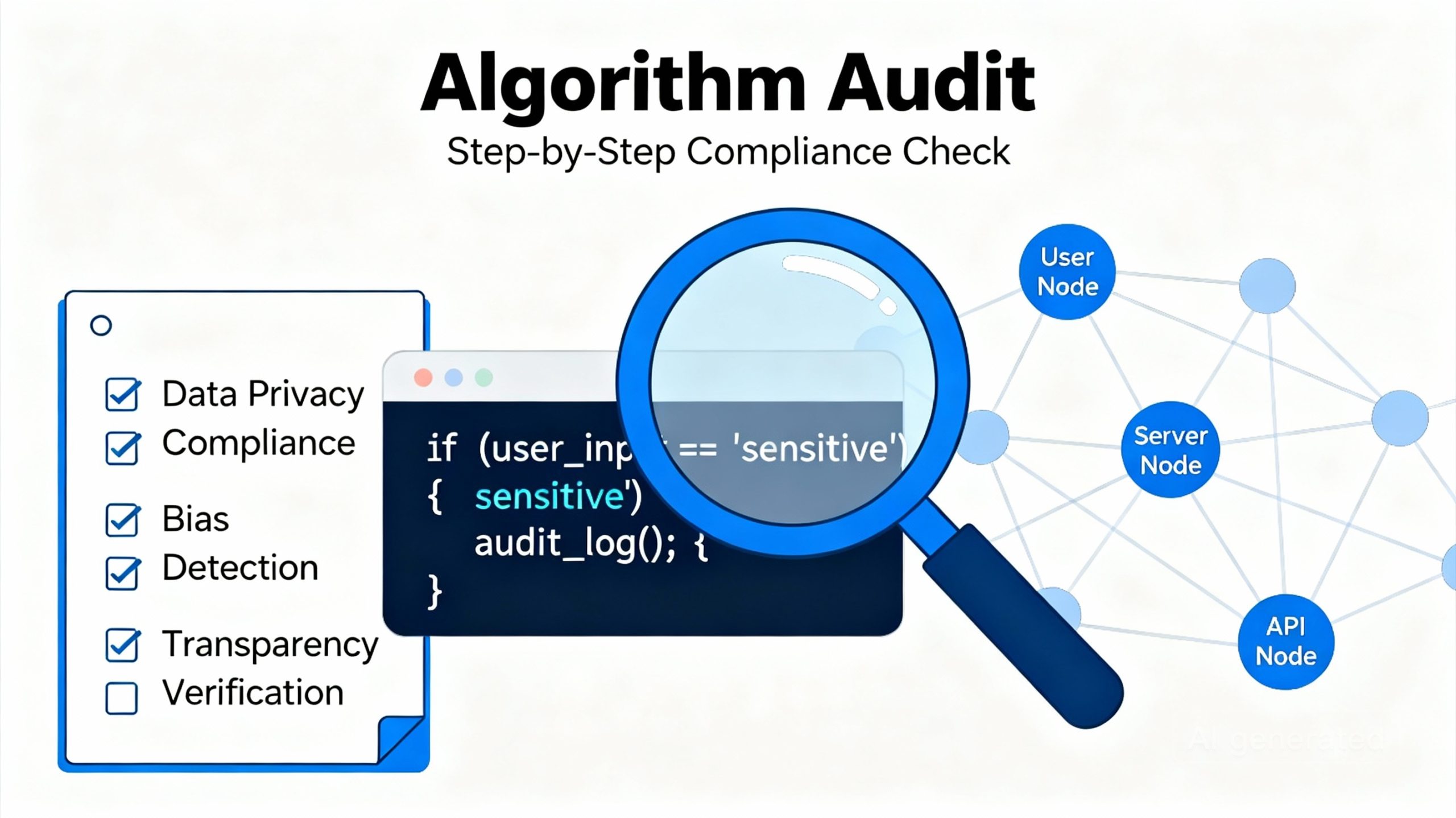
Artificial intelligence is the engine of modern FinTech, powering everything from hyper-personalized robo-advisors and algorithmic trading to advanced credit scoring and fraud detection. However, the "black box" nature of some complex models, coupled with well-documented risks of bias and instability, has triggered a forceful regulatory response. 2025 is the year where AI governance moves from theory to practice.
Key Regulatory Frameworks Taking Effect
Globally, a patchwork of AI-specific regulations is emerging, with the EU leading the charge and other regions developing their own models.
The EU AI Act
This landmark, risk-based legislation is the world's first comprehensive AI law. For FinTech, its most critical classification is "High-Risk AI Systems." This category explicitly includes AI used for:
- Creditworthiness assessment of natural persons
- Risk assessment and pricing in life and health insurance
- Algorithmic trading systems
High-Risk AI Compliance Requirements
Under the Act, high-risk AI systems are subject to stringent obligations before and after they hit the market:
- Robust risk management systems
- High-quality datasets to mitigate bias
- Detailed technical documentation and logging
- Human oversight measures
- High levels of accuracy, robustness, and cybersecurity
U.S. Regulatory Approach
The U.S. has not yet passed a federal AI law, but regulatory bodies are acting aggressively through existing authority. The Consumer Financial Protection Bureau (CFPB) has clarified that discriminatory algorithms violate the Equal Credit Opportunity Act (ECOA), regardless of their complexity. Similarly, the Securities and Exchange Commission (SEC) has proposed rules targeting conflicts of interest in predictive data analytics used by brokers and investment advisers.
UK's Pro-Innovation Stance
The UK is pursuing a more context-based, principles-driven approach, empowering existing regulators like the Financial Conduct Authority (FCA) to oversee AI within their domains. The focus is on explaining outcomes rather than prescribing model design, emphasizing transparency and fairness.
Operationalizing AI Governance: A Compliance Checklist
For a FinTech company, adhering to these new rules requires a concrete action plan:
- Conduct a Mandatory Fundamental Rights Impact Assessment for any AI used in credit, insurance, or employment
- Establish a Model Risk Management (MRM) Framework integrated with enterprise risk management
- Implement "Explainable AI" (XAI) Techniques to demystify model decisions
- Maintain Meticulous Data Provenance Records to demonstrate training data quality
- Appoint Human-in-the-Loop (HITL) Overseers for all high-stakes automated decisions
The Privacy Paradigm Shift: Data Protection Beyond GDPR
Data is the lifeblood of FinTech. While the EU's General Data Protection Regulation (GDPR) set a global benchmark, the regulatory landscape has continued to evolve, becoming more complex and stringent. In 2025, FinTechs must navigate a world where consumer data sovereignty is the new norm.
The Rise of Consumer Data Rights and State-Level Laws
The era of relying on a single compliance standard like GDPR is over. The global trend is toward empowering individuals with greater control over their personal information.
- California Consumer Privacy Act (CCPA/CPRA): California's laws have become a de facto national standard in the U.S., granting residents rights to know, delete, and correct personal information
- Other U.S. State Laws: States like Virginia, Colorado, Utah, and Connecticut have enacted comprehensive privacy laws, creating a complex mosaic of requirements
- Global Momentum: Similar laws have been passed in Brazil (LGPD), China (PIPL), and India (DPDPA), each with unique nuances
Emerging Challenges: AI, Biometrics, and Cross-Border Data Flows
New technologies are creating novel privacy challenges that existing laws are being stretched to cover:
- AI and Inferred Data: Regulators are scrutinizing how personal data trains AI models and how "inferred data" is classified
- Biometric Data: Use of voiceprints or facial recognition faces strict consent requirements following laws like Illinois' BIPA
- Data Localization and Sovereignty: Countries increasingly demand financial data be stored within national borders
Building a Future-Proof Data Privacy Program
A reactive approach to data privacy is a significant liability. FinTechs must build proactive, embedded programs:
- Map Your Data Ecosystem: Create detailed data inventory and flow maps
- Implement "Privacy by Design": Integrate data protection into product development lifecycles
- Strengthen Vendor Risk Management: Conduct rigorous due diligence on third-party processors
- Prepare for Universal Consent Management: Deploy systems to handle data subject requests across jurisdictions
- Develop a Clear Biometrics Policy: Ensure lawful basis, explicit consent, and public retention policies for biometric data
The Connected Economy: The Global Rollout of Open Finance
Open Finance is the natural evolution of Open Banking. It expands the principle of consumer-permissioned data sharing from payment accounts to a wider range of financial data, including savings, investments, pensions, and insurance. It promises incredible innovation but brings new regulatory considerations.
From Open Banking to Open Finance: An Expanded Scope
While the UK and EU pioneered Open Banking via PSD2, the next phase is far more ambitious.
| Feature | Open Banking (PSD2) | Open Finance (2025+) |
|---|---|---|
| Data Scope | Primarily payment account data | Holistic financial data: mortgages, investments, pensions, insurance, savings, crypto assets |
| Primary Goal | Payment initiation and account information services | Comprehensive financial management, personalized products, and enhanced competition |
| Key Drivers | Regulation (PSD2) in EU/UK | Mix of regulation and market-led initiatives |
| Technical Standards | Relatively standardized APIs | More complex, fragmented standards requiring greater interoperability |
Major Global Open Finance Initiatives
- The EU's Financial Data Access (FIDA) Proposal: Creates framework for comprehensive Open Finance with emphasis on customer consent and security
- UK's Smart Data Initiative: Expands data portability into energy, telecoms, and finance post-Brexit
- The U.S. Market-Led Approach: Spurred by CFPB's proposed rule to implement Section 1033 of Dodd-Frank Act
Strategic Implications and Compliance Hurdles
For FinTechs, Open Finance presents both opportunities and challenges:
Opportunities:
- Creation of holistic financial wellness apps
- Hyper-personalized insurance products
- More accurate lending decisions based on complete financial picture
Challenges:
- Standardization: Lack of universal API standards increases integration costs
- Liability and Dispute Resolution: Determining responsibility in complex data chains
- Consent Management: Building robust, auditable consent dashboards
- Security: Expanded data surface area increases cyberattack risks
The Convergence: Where AI, Privacy, and Open Finance Collide
The most complex regulatory challenges will not arise from these domains in isolation, but from their intersection. Regulators are increasingly viewing them as interconnected.
Scenario: The AI-Powered Lending Platform in an Open Finance World
Imagine a FinTech lender using AI to assess credit risk. To get a better picture, it requests access to a user's investment portfolio and insurance data via an open finance API.
- The AI Governance Question: Is the AI model certified under the EU AI Act? Can it be audited for bias when using non-traditional data?
- The Data Privacy Question: Does user consent explicitly cover use in this specific AI-driven credit model? How is data minimized and secured?
- The Open Finance Question: Is data accessed via standardized, secure APIs? Is user consent managed per FIDA or CCPA rules?
This single scenario touches all three regulatory pillars, requiring an integrated compliance strategy.
Building a Cross-Functional Governance Structure
To manage this convergence, FinTechs must break down silos:
- Establish a Centralized Regulatory Technology (RegTech) Function: Team responsible for tracking regulatory changes across all domains
- Create an Interdisciplinary Steering Committee: Include leaders from Legal, Compliance, Data Science, Product, and Cybersecurity
- Invest in Integrated Technology Solutions: Platforms handling consent management, data lineage tracking, and model monitoring unified
A Strategic Roadmap for FinTech Compliance in 2025
Navigating the 2025 regulatory environment requires a proactive, strategic approach. Here is an actionable roadmap:
Phase 1: Assessment and Inventory (Q1 2025)
- Conduct a Regulatory Gap Analysis of products, data flows, and AI models
- Create a Comprehensive Data Map documenting all personal data collection
- Inventory AI Models classified by risk level and intended use
Phase 2: Strategy and Framework Development (Q2 2025)
- Develop an AI Ethics and Governance Charter as a public commitment
- Formalize Data Privacy and Open Finance Policies with clear internal guidelines
- Select and Implement RegTech Tools for consent management and model risk
Phase 3: Implementation and Training (Q3-Q4 2025)
- Integrate Controls into Software Development Lifecycle (SDLC)
- Launch Company-Wide Training for all employees, especially engineers and product managers
- Pilot and Refine compliance frameworks on single product lines before full rollout
Phase 4: Monitoring and Evolution (Ongoing)
- Appoint a Chief AI Officer or Ethics Lead for oversight and accountability
- Conduct Regular Audits and Impact Assessments proactively
- Engage with Regulators Proactively through sandbox programs and consultations
Conclusion: Compliance as a Competitive Advantage
The regulatory wave of 2025 is not a threat to be feared but a transformation to be managed. FinTechs that view these regulations—governing AI, data privacy, and open finance—as a framework for building trustworthy, robust, and customer-centric businesses will thrive.
These forward-thinking companies will attract savvy consumers, form partnerships with established institutions, and ultimately define the next chapter of financial innovation. The time to prepare is now. By embedding compliance into your corporate DNA, you can navigate the complexities ahead and turn regulatory adherence into your most powerful competitive edge.