
Digital Banking in Emerging Markets
Digital-First Models, Financial Inclusion and Cross-Border Flows
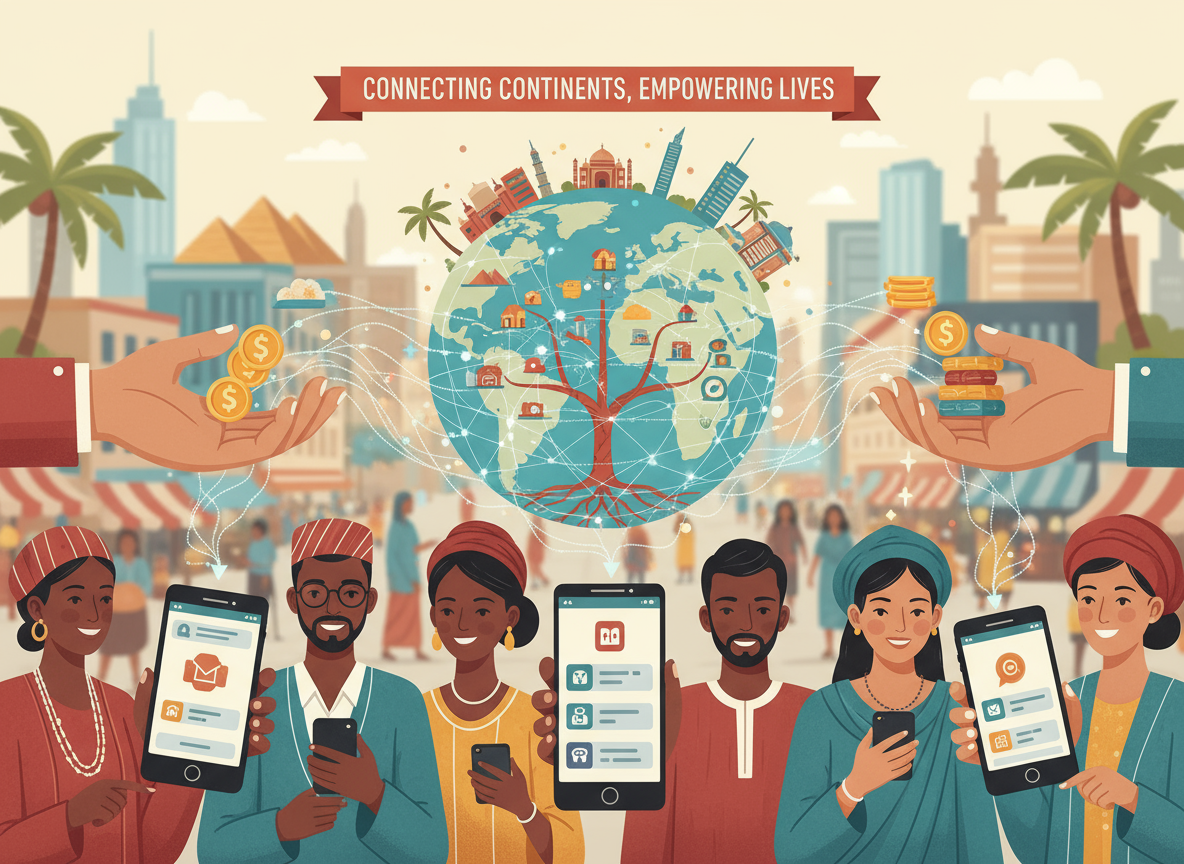
The world of money and banking is shifting fast, yet the biggest changes are happening in developing countries. Years ago, regular banks here made it tough for people to join - few branches, lots of red tape, leaving millions without access. But now, thanks to nearly everyone owning a mobile phone, clever tech startups stepping up, alongside looser but smarter rules, things have flipped upside down.
The Rise of Digital-First Banking Models in Developing Economies
Old-school banks struggle in developing regions - roads and buildings often don't reach far, while helping poor customers costs too much. Online-only setups now fill the gap by using tech to offer easy-to-use, low-cost banking that actually works for everyday people.
Neobanks and Challenger Banks: The New Frontier
These banks run entirely online, no physical offices at all. Because they focus on real customer struggles, they've grown fast.
- People-first design: Their mobile apps are easy to use, with quick account setup, live alerts, or custom money-tracking features.
- Save money: Without brick-and-mortar locations, these banks cut expenses - so you get cheaper fees along with better interest offers.
- Personalization: By studying habits through data analytics, banks tweak small loans or saving products based on how each person uses them.
Take TymeBank in South Africa - uses store kiosks to sign up customers - or Nubank from Brazil, grew fast worldwide thanks to fee-free credit cards combined with smooth online banking.
Mobile Money and Carrier-Led Platforms: Banking the Unbanked
Maybe the biggest change in developing countries came from mobile cash. Started by M-Pesa in Kenya, this system lets people save and send funds through their cellphones, usually bypassing regular banks altogether.
- Accessibility: Works even on old-style phones, so nearly everyone can use it.
- Multi-functionality: Not just for paying bills anymore - now helps you save cash, grab loans, settle utilities, or manage farm supplies too.
- Agent Networks: A tightly packed setup of neighborhood reps - usually owners of tiny stores - handles depositing and withdrawing cash, kind of like turning people into walking ATMs.
This model's spread through Africa and Asia, using tools such as GCash in the Philippines or bKash in Bangladesh, hit massive reach.
Embedded Finance and API-Driven Banking
Banks are quietly slipping into apps you use every day. Think of it like money tools hiding inside everyday services.
- E-commerce Integration: Online shopping hubs such as Jumia across Africa or Mercado Pago in Latin America include tools for handling payments, giving small business loans, also providing coverage plans - all built right into their apps.
- Gig Economy Solutions: Ride-hailing firms such as Uber or GoJek give drivers and riders access to digital wallets, small loans, also insurance options.
- The Role of APIs: Application Programming Interfaces act like bridges in this shift, letting fintech startups or regular businesses link up safely with approved banks and payment platforms.
Accelerating Financial Inclusion Through Innovative Digital Solutions

Getting basic money tools that work and don't cost too much helps boost economies. Online-only setups can tackle the main roadblocks - like reaching people, keeping prices low, or fitting real needs - in fresh ways most systems can't match.
Overcoming Geographic and Infrastructural Hurdles
In countryside areas, getting to the closest bank might take hours on foot. Yet online tools make distance irrelevant now.
- Mobile as the Primary Channel: A mobile device turns into your go-to spot for banking - handles payments, cash access, acts like a full-service branch right in your hand.
- Agent Banking: Agent setups link digital and real-world cash flow - folks can turn e-money into actual bills, or stash paper money as digital credits.
- Offline Functionality: Some new tricks let you confirm deals through USSD or text messages, so things keep working when the web's spotty.
Designing for Low-Income and Informal Sector Users
Folks earning cash on the side don't fit into old-school banking rules - those systems just weren't built for that grind. But now, online tools are flipping the script.
- Microloans and Nanocredit: Systems study phone-based payment records or how often someone buys call time to judge loan risk - offering quick tiny cash advances right away.
- Digital Savings Groups: Mobile apps now handle old-school saving groups - think South African Stokvels or Kenyan Chamas - with better safety, clearer tracking.
- Pay-As-You-Go Models: With pay-as-you-go setups, people on tight budgets can get basics by paying tiny amounts over time through mobile payments.
Building Trust and Financial Literacy in a Digital Ecosystem
Trust matters a lot in money matters. For folks just starting with banks and apps, believing in digital tools is key.
- Transparent Pricing: Online spots show exactly what you pay right away, so no surprise fees pop up like they do with casual loan folks.
- Security and Privacy: Keeping info safe plus building trust means strong online protection alongside honest talk about how data's used.
- Gamification and Education: Apps mix learning with game-like features to help people understand saving, credit, and investing.
The Transformation of Cross-Border Payments and Remittance Flows
Cross-border cash transfers - especially money sent home - are crucial for people in developing nations. Yet old-school transfer systems come with steep fees, sluggish delivery, or unclear tracking. Now online alternatives are shaking things up fast.
The High Cost of Traditional Remittances: A Persistent Problem
The UN's development target wants to get money transfer costs down to 3%. Still, most places still sit near 6%, while routes through Sub-Saharan Africa often go over 8-10%. Such steep charges hit migrant workers hard and slow progress in home communities.
Fintechs Against Traditional Money Transfer Services
A fresh wave of online money transfer services is taking on big names such as Western Union along with MoneyGram.
| Feature | Traditional MTOs | Digital-Only Fintechs |
|---|---|---|
| Cost | High (6-10%+ average) | Low (1-3% average) |
| Transfer Speed | Minutes to Days | Seconds to Minutes |
| Transparency | Often hidden fees and poor exchange rates | Upfront fee and real exchange rate |
| Access Point | Physical Agent Locations | Mobile App or Website |
| User Experience | Can be cumbersome, requires paperwork | Streamlined, digital KYC |
Firms such as Wise (formerly TransferWise), Sendwave and Chipper Cash use person-to-person setups, teaming up straight with regional mobile payment platforms instead of relying on global bank middlemen, slashing fees while speeding things up.
Regional Payment Integration and Digital Corridors
Beyond sending money between individuals, countries are slowly starting to link up their digital payment systems.
- Pan-African Payment and Settlement System (PAPSS): A tool built by Afreximbank that lets African businesses pay each other fast using their own country's money.
- ASEAN Initiatives: Around Southeast Asia, different projects are popping up to connect instant payment networks.
- Blockchain and CBDCs: For now they're just starting out - yet Central Bank Digital Currencies might team up with blockchain to build faster, safer ways to send money across borders.
Navigating Critical Challenges and Forging a Sustainable Future
The shift to online banking in developing regions comes with real obstacles. To keep moving forward, tackling these issues head-on makes all the difference.
The Digital Divide: Connectivity and Device Limitations
Even though most people have mobile phones, there's still a difference between just owning a basic device and being able to get cheap smartphones or steady, fast internet. Without these tools, those who are already struggling might get left behind.
Regulatory Uncertainty and Compliance Burdens
Rules usually lag behind fast financial tech changes because new tools pop up quicker than oversight can adapt. Still, finding a middle ground is key.
- Encouraging Innovation: Setting up regulatory sandboxes where finance tech firms try out new tools with oversight watching closely.
- Ensuring Stability: Using strong cyber defenses, safeguarding personal info, while also fighting dirty money flows.
- Level Playing Field: Figuring out if digital banks should follow identical money and cash flow standards as regular banks.
Cybersecurity, Fraud, and Data Privacy Concerns
When money stuff shifts to the web, hackers start taking notice. Creating strong tech defenses while teaching people how to spot sneaky scam messages takes constant effort. All that sensitive info being gathered sparks real concerns over who controls it and whether private details are still truly private.
The Path to Profitability and Intense Market Competition
Some online-only banks, especially new ones, run on small profits while chasing users instead of quick returns. As more join the space, it gets harder to stand out - forcing firms to earn from things other than simple payments. Going ahead, expect fewer companies left standing and a push toward useful extras such as loans or investment help.
Conclusion: An Irreversible and Inclusive Financial Future
The shift in banking across developing nations driven by digital-first approaches stands out as a key economic shift of today's era. Thanks to these changes, old obstacles are crumbling - connecting millions to official financial systems while shaping an economic environment that's livelier, smoother, and open to more people.
The ripple effect on international money transfers is funneling vast sums back to migrants and their households, giving local economies a strong boost. Even though issues like rules, online threats, and uneven tech access remain tricky, the direction things are headed is obvious.
The future of money in these lively economies is online, spread out, yet clearly fairer. Because tech creators, rule-makers, and old-school banks work together, this shift can actually bring real chances for everyone - growth that includes more people, lasts longer, without leaving folks behind.