
AI-Driven Autonomous Finance Agents
How Artificial Intelligence Is Reshaping Corporate Treasury Management in 2025
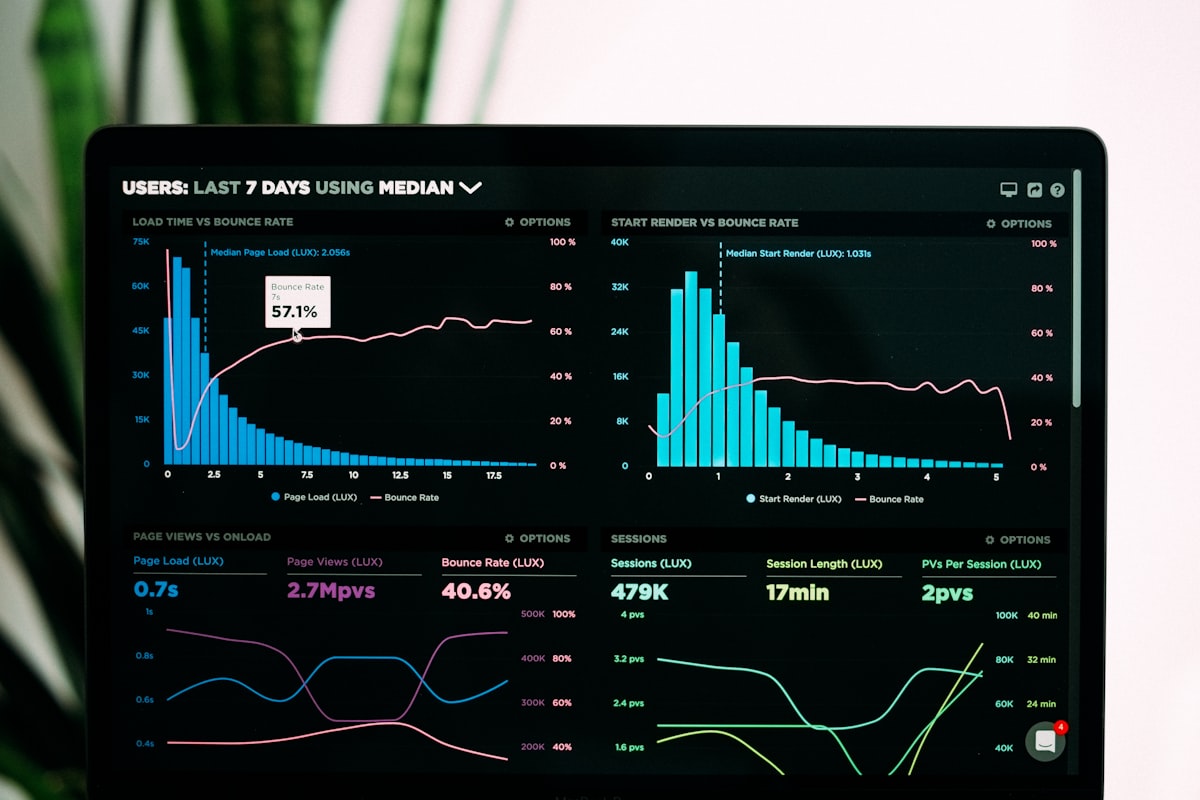
The year 2025 shook up how big companies run their treasury work. Instead of relying on people to make calls and do tasks by hand, many now use smart automated tools that run on their own, powered by artificial intelligence. These setups - sometimes known as self-running financial bots - handle things like cash flow, risk checks, legal rules, and investing choices without constant oversight. One after another, firms are shifting toward these systems to stay quick and sharp in fast-moving markets.
This post digs into how smart agents are reshaping treasury operations, what tech powers them, major perks alongside dangers, while showing how top firms adjust to this shift toward self-running finance.
Understanding the Rise of Autonomous Finance Agents
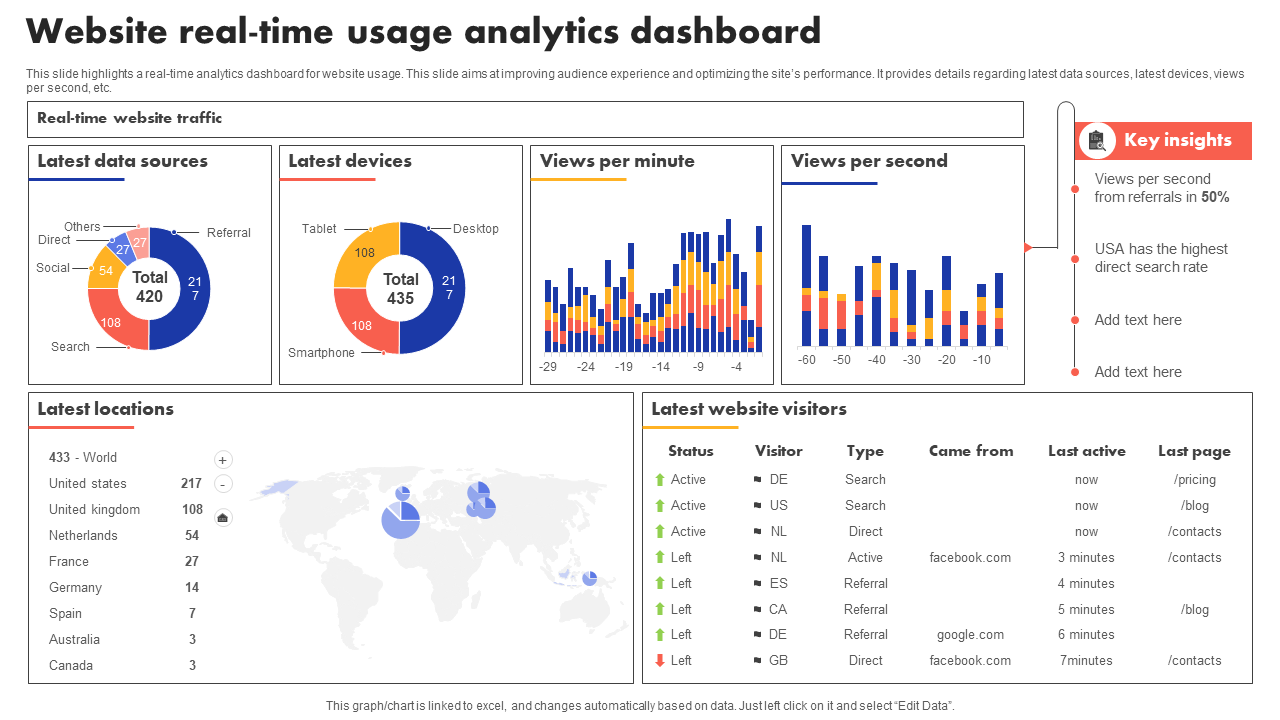
What Are AI-Driven Autonomous Finance Agents?
Smart computer programs that handle money tasks, make choices, or guess future trends by themselves - these systems work for companies without needing people to watch over them all the time.
They use machine learning (ML) alongside natural language processing (NLP), tie robotic process automation (RPA) into the mix, then layer on blockchain - automating key financial tasks like:
- Cash flow forecasting
- Liquidity management
- Investment optimization
- Risk along with vulnerability review
- Trading money from different countries
- Regulatory compliance reporting
Basically, these tools work like digital money managers, checking cash details live while using set rules - or past patterns - to hit business goals.
Why 2025 Became the Breakout Year for Autonomous Treasury
The move to AI-powered treasury setups wasn't instant. By 2025, several big shifts had come together - bringing self-managing finance into everyday use:
- Explosion of Real-Time Data: Fueled by digital shifts in supply networks, payment flows, or banking setups, treasury platforms handle countless data bits every day. Because these settings overflow with information, artificial intelligence digs in - shaping mess into meaning.
- Demand for Predictive Decision-Making: Businesses aren't waiting anymore - they're aiming to forecast cash shifts, exchange rate swings, or economic uncertainties ahead of time. Because AI tools can study trends and recommend smart moves early on.
- Integration of Open Banking APIs: Open banking setups now link company accounting systems straight to banks and tech firms - so AI tools can grab live balance info, currency rates, or payment records without hiccups.
- Post-Pandemic Resilience Focus: When worldwide chaos hit in the early 2020s, finance chiefs started focusing on auto-processes, quick adaptation, or steady operations instead. Self-running tech gave just the fix needed to reduce reliance on hands-on treasury tasks.
How AI Agents Operate Inside a Modern Treasury Ecosystem
To get what they do, check out how a 2025-style AI-powered treasury system is built.
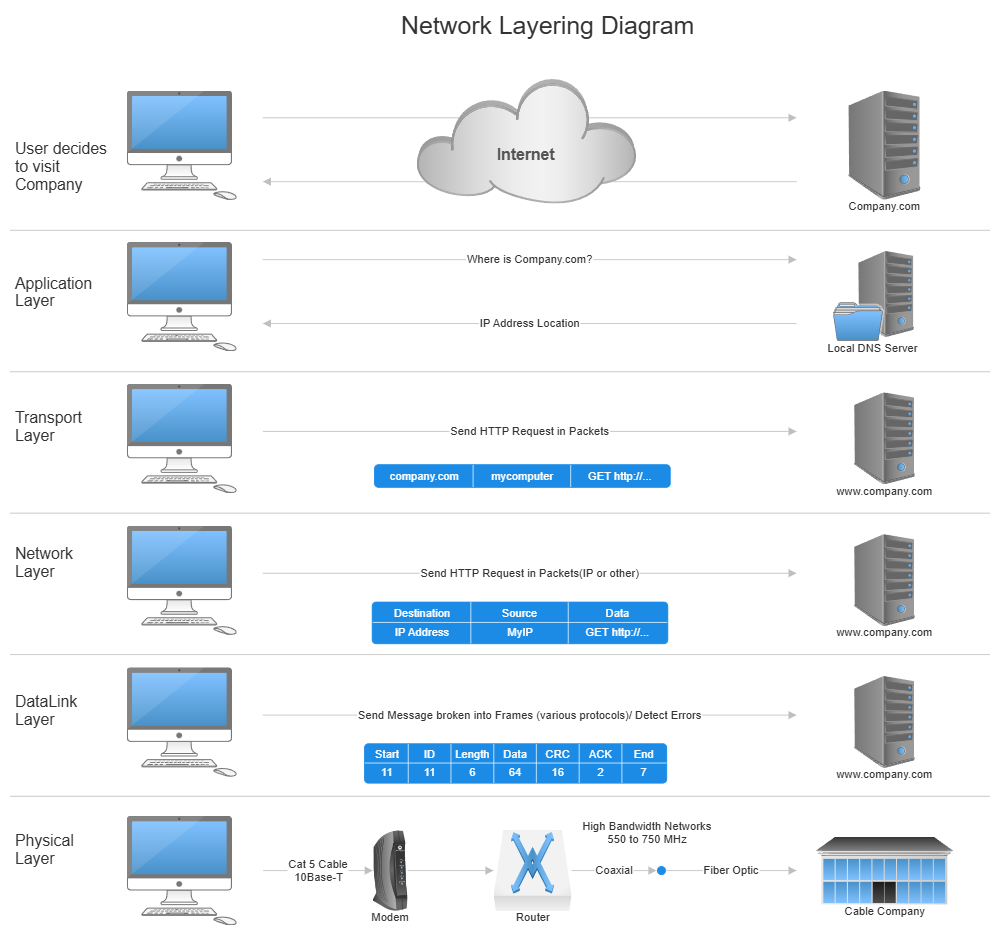
Core Functional Components
Data Aggregation Layer
Gets organized plus messy info from company tools like ERP, CRM, HRM along with outside spots such as banks, currency markets, and live data streams.
AI Intelligence Layer
Uses machine learning to predict outcomes, improve performance, spot odd patterns, or test different situations.
Decision Execution Engine
Runs automatic deals - like shifting cash, tweaking currency bets, or clearing vendor payouts - whenever preset rules or danger levels trigger them.
Compliance and Governance Module
Makes sure each choice follows rules, keeps records, also sticks to what the company allows.
Key Areas Where Autonomous Finance Is Transforming Treasury Operations
1. Liquidity and Cash Management
AI tools keep checking cash levels worldwide, predict money moving in or out, also adjust funds between branches to stay balanced.
Benefits include:
- Live view of cash balances across different currencies
- Self-running money moves between linked companies
- Predicting cash shortfalls before they happen
- Smart money flow tuning
Example: A machine-powered assistant might spot that a branch in Singapore's running low on cash in five days, so it could pull money from a unit in Germany right away - no human needed to step in.
2. Risk and Compliance Management
Risk sits at the heart of treasury work. Because of AI, machines now spot dangers quicker than people - then shut them down just as fast.
Capabilities:
- Predicting shifts in market prices by tracking live information streams
- Counterparty risk scoring
- Automated compliance checks with Basel III, IFRS, and AML standards
- Alerting CFOs to irregular transaction patterns
Result: A hands-on way - instead of waiting - to handle risk while staying aligned worldwide.
3. Investment Optimization and Capital Allocation
AI tools check possible investments by looking at earnings chances, how risky they are, also how easy it is to get cash out - after that, they shift money around on the fly.
For instance:
- They might move unused cash out of low-interest accounts into short-term securities that pay better returns - using options like Treasury bills or money market funds instead.
- They look at world politics along with shifts in borrowing costs when moving their money around.
This results in improved returns or more flexible use of capital.
4. Predictive Forecasting and Scenario Planning
AI really stands out when it comes to predictions. By spotting trends and working with complex data over time, smart systems can guess what's next:
- Future cash positions
- FX rate fluctuations
- Interest rate changes
- Delays in paying along supply lines
Treasury teams might test out different situations - like wondering how a 2% rise in USD would hit their cash flow - and straight away see responses backed by real numbers.
5. Payments and Transaction Automation
Old-school payment checks usually need several hand-done reviews. Yet smart bots speed things up using self-running contracts along with clever fraud spotting, so just correct, rule-following payments get approved.
Impact:
- Faster settlements
- Fewer mistakes, also less cheating
- Lower transaction costs
- Always running without stops
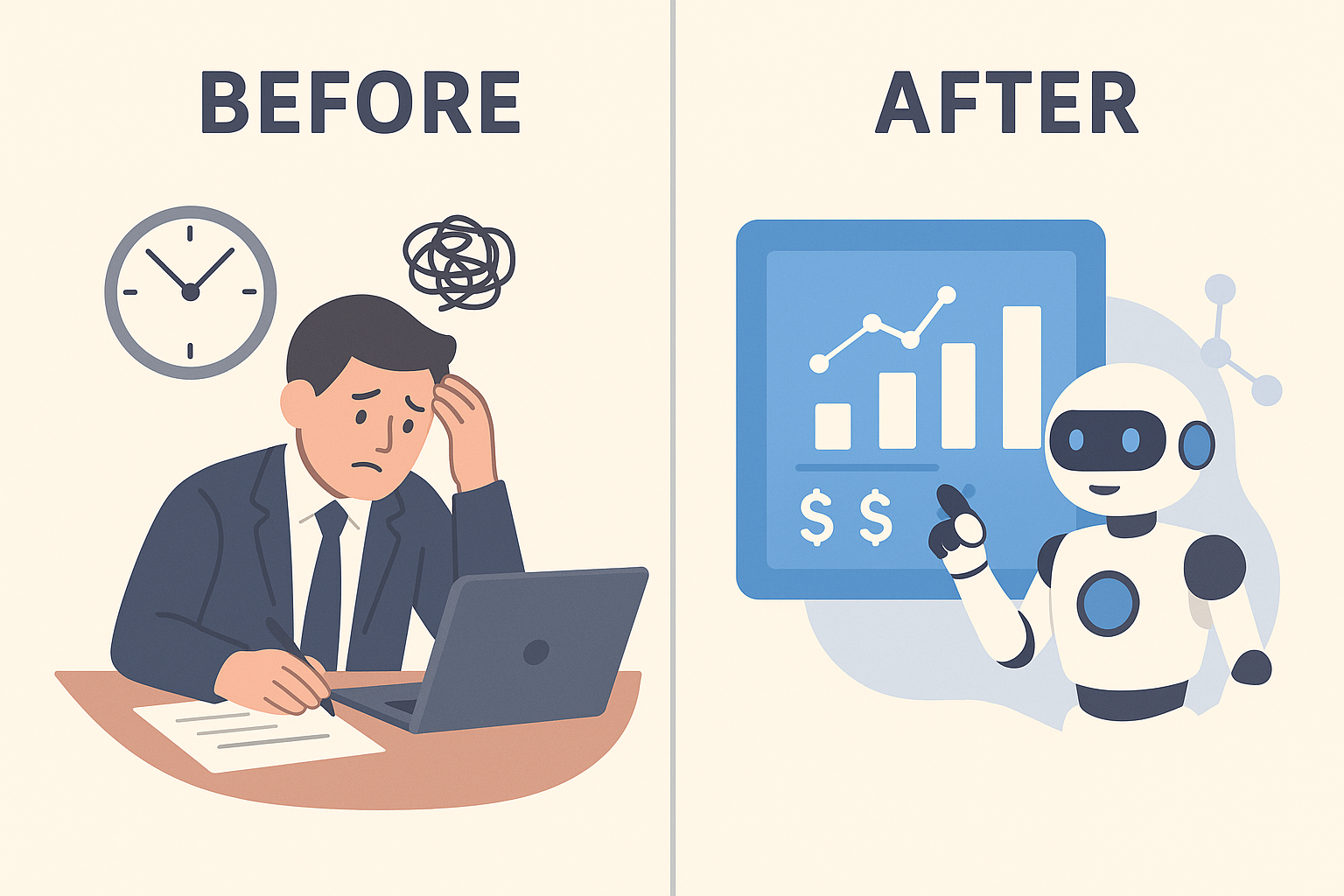
Traditional Treasury vs AI-Driven Autonomous Treasury
| Feature / Function | Traditional Treasury | AI-Driven Autonomous Treasury (2025) |
|---|---|---|
| Decision-making speed | Done by hand, takes time | Instant - powered by live data and foresight |
| Cash visibility | Scattered across different platforms | Clear view in one live interface |
| Risk management | Wait until issues hit | Stops problems before they start, runs on its own |
| Human dependency | Needs constant oversight | People just watch, machines handle the work |
| Forecast accuracy | Relies on old numbers | Learns over time, adjusts automatically |
| Cost efficiency | Expensive to run day-to-day | Cuts costs by 30–50% through smart automation |
| Compliance | Checked now and then by staff | Always watching, guided by AI |
Technologies Powering AI Finance Agents in 2025
Machine Learning (ML)
Makes it possible for systems to pick up clues from earlier info, so they can guess what might happen next. Used for credit scoring - also helps forecast cash flow, while improving investment choices.
Robotic Process Automation (RPA)
Takes care of routine jobs - stuff like matching records, logging transactions, or putting together reports - using set rules. Fits smoothly into smart systems that work on their own.
Natural Language Processing (NLP)
Makes it easier for agents to grasp written info, like emails or contracts, also reports. CFOs can query systems conversationally, e.g., "What's our projected cash position for Q3?"
Blockchain and Smart Contracts
Makes sure every deal is clear while locking it forever. Fewer delays when sending money overseas.
Generative AI
Fuels smart forecasts, updates reports on the fly - spins fresh insights every time. Pulls together dashboards tailored to CFOs, depending on what they're looking up.
Real-World Implementations in 2025
Case Study 1: Global Manufacturing Conglomerate
A big company from the Fortune 500 list started using smart finance tools powered by AI to handle money spread across countries. By the half-year mark:
- Predictions got 43% more accurate
- Liquidity use got 28% better
- Treasury team's work time chopped by more than a third
Case Study 2: Asian Banking Group
Used smart bots to handle compliance reports - also managed currency risk automatically.
Outcome:
- Compliance issues vanished completely
- Hand-done reports now take 70% less time
Benefits of AI-Driven Treasury Transformation

Strategic Decision-Making
Treasury teams might concentrate on planning and expansion, while AI bots handle monotonous work instead.
Cost Savings
Automation slashes extra expenses big-time, particularly across global operations managing tricky deals.
Enhanced Accuracy
AI cuts out human mistakes while keeping info uniform through different teams.
Real-Time Control
Businesses keep tabs on money worldwide at any time, no matter the currency or country involved.
Scalable and Adaptive Systems
When companies get bigger, AI keeps up without hassle - no huge staff or extra setup required.
Challenges and Risks in Adopting Autonomous Finance
Though it's full of potential, shifting to AI-powered treasury setups comes with hurdles.
1. Data Privacy and Security
AI tools work with private money details, so strong online protection's a must.
2. Governance and Accountability
Who's to blame if an AI bot messes up a money call? Businesses are creating systems to manage how they handle AI responsibly because of this issue.
3. Change Management
People often push back when machines take over tasks - it slows things down. Teaching new skills along with shifting mindsets makes a big difference.
4. Model Transparency
Some AI systems are tough to understand - like mysterious boxes. Because of that, officials want clearer AI tools used in banking and money matters.
The Future of Corporate Treasury Beyond 2025

1. Cognitive Treasury Systems
By late 2027 through 2030, treasury setups might shift into smart versions - these could think things through, pick up patterns from past moves, yet weigh choices with some sense of right or wrong.
2. AI–Human Collaboration Models
AI agents won't take over human roles - rather, they'll work alongside CFOs, offering number-backed guidance so decisions on strategy can actually happen.
3. Global Standardization
Look out for fresh global rules on AI use in finance - these aim to boost openness while making sure players take responsibility.
Key Takeaways
- A smart tech that runs on its own is changing money management tasks - handling checks, trades, and rules without help.
- They boost speed while cutting errors - way better than old-school setups.
- Problems still pop up with control, safety, or how people adjust - yet progress keeps rolling anyway.
- By 2025, firms using these tools secure a monetary advantage, turning treasury into a spark for new ideas instead of just routine support.
Conclusion
The corporate treasury in 2025 sits right where tech meets smart systems. Thanks to self-running finance bots powered by AI, businesses now pull off things that used to sound like sci-fi - financial setups that learn on their own, manage themselves, reacting to market shifts quicker than any group of people ever could.
The treasurer isn't just handling cash flow anymore - instead, smart automation is now boosting profits while strengthening stability. With tech evolving fast, what happens in the coming years won't only shape treasury work, but also reshape how companies manage money overall.